Virtualized Environment for Systems Testing

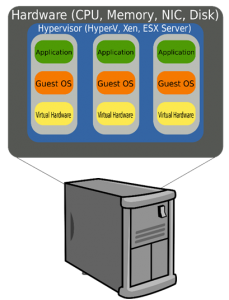
Virtualization allows environment-specific applications to run in their own VMs all on a single physical server.With the advent of hardware virtualization, GCI has begun to explore this new technology for applicable uses in industrial automation.  Virtualized hardware environments not only provide the ability to separate the development from the physical hardware, but also allow multiple configurations to be developed and tested without risk of disturbing an existing hardware layout.

GCI has recently utilized several tools available from VMware for specifically these reasons.  VMware’s server virtualization installation, vSphere Hypervisor, provided a flexible “sandbox” environment for testing a customer’s desired changes to their plant’s hardware setup without the need to modify the hardware that was already in place.  This setup allowed for the complete virtualization of multiple devices and servers, as well as a virtualized network architecture, all on a single physical server running the hypervisor installation.  The need for only one physical server to host the entire virtual environment was one benefit from the hypervisor setup.

Virtualizing an entire existing environment can be done with ease through the use of VMware’s vCenter Converter application. The process involves capturing a “snapshot” of each component in the existing system, and can even be done while the physical system is live.  These snapshots contain the exact software and data configuration as the original physical systems, and can be run virtually either from a standalone virtual machine player or hypervisor.  Combining the hypervisor setup with multiple collected snapshots creates a powerful virtualization environment that can handle many of these snapshots running on a single physical server.

Once snapshots of each system are captured, they establish a base environment for testing the desired modifications.  They can all be loaded to one hypervisor server and set up on a virtual isolated network.  This starting point can now be modified, tested, broken, and rebuilt, all with the ability to return to the original state and without risk of harming the existing physical system.  Multiple snapshots can be taken throughout the installation and configuration process, making it easy to return to an exact environment state if one step goes wrong.  This method also allows the ability to compare multiple configuration routes, and switch between them during development.

With this virtualized setup, the network design and configuration work for a complex project could take place away from the physical location once the snapshot was taken.  Once the snapshots are captured, they can be loaded into any hypervisor configuration at any location.  This eliminates the possibility of travel time and undesirable or inaccessible working locations.

Yet another benefit includes the use of this environment for documentation, creation of installation scripts, and validation.  The ability to roll back to previous snapshots is very helpful when documenting specific steps of an installation procedure.  Many different steps can be tested along the way for the best outcome, then once the modified virtual environment is configured and working the installation steps can be documented and later implemented on the physical system.  The final configuration can also be tested within this virtual environment, with the ability to manage multiple virtual networks and observe system changes without harming the physical setup.  Since any problems with the installation are sorted out in the virtualized environment beforehand, downtime and unexpected problems with the physical hardware during deployment can be kept to a minimum.
Server Redundancy in a Validated Environment using Virtualization

Customer:     Piramal Critical Care

Location:       Bethlehem, PA

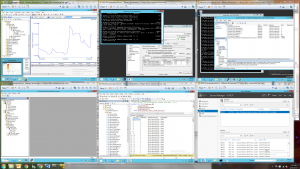
System Virtualization - Multiple Virtual Machines run on the same server to emulate an entire networked system.

Project Summary

  • Pharmaceutical customer desired a redundancy scheme for a validated architecture with distributed Rockwell Software components, including PlantPAx, FactoryTalk® Live Data, Historian, VantagePoint, and Transaction Manager.
  • Existing software configurations had to be retained and migrated to new redundancy hardware.

GCI Solution

Virtualization

  • Utilized VMware’s server virtualization installation, vSphere Hypervisor, to provide a flexible “sandbox” environment for testing.
  • This setup allowed for the complete virtualization of multiple devices and servers, as well as a virtualized network architecture, all on a single physical server running the hypervisor installation.
  • A snapshot of each server in the existing system was taken to establish a base environment for testing the desired modifications.
  • Multiple snapshots could also be taken throughout the installation and configuration process, making it easy to start over or return an exact environment state without risk of harming the physical system.
  • The network design and configuration work could take place away from the physical location once the snapshots were taken.
  • The virtualized environment facilitated the creation of installation scripts as part of a validated IOPQ procedure later implemented on the physical system. Since any problems with the installation can be foreseen and corrected in the virtualized environment before deploying to a physical server, downtime and unexpected problems during installation are kept to a minimum.

Redundancy

  • Configured FactoryTalk® data acquisition servers for redundancy, allowing for increased data reliability in the event of a single server outage.
  • Redundancy was tested in the virtual environment by virtually disconnecting individual machines from the virtual network or shutting them down completely.

Print and Apply Label – Pharmaceutical Distribution

Customer:       Accredo Health Solutions

Location:         Memphis, TN

Project Summary

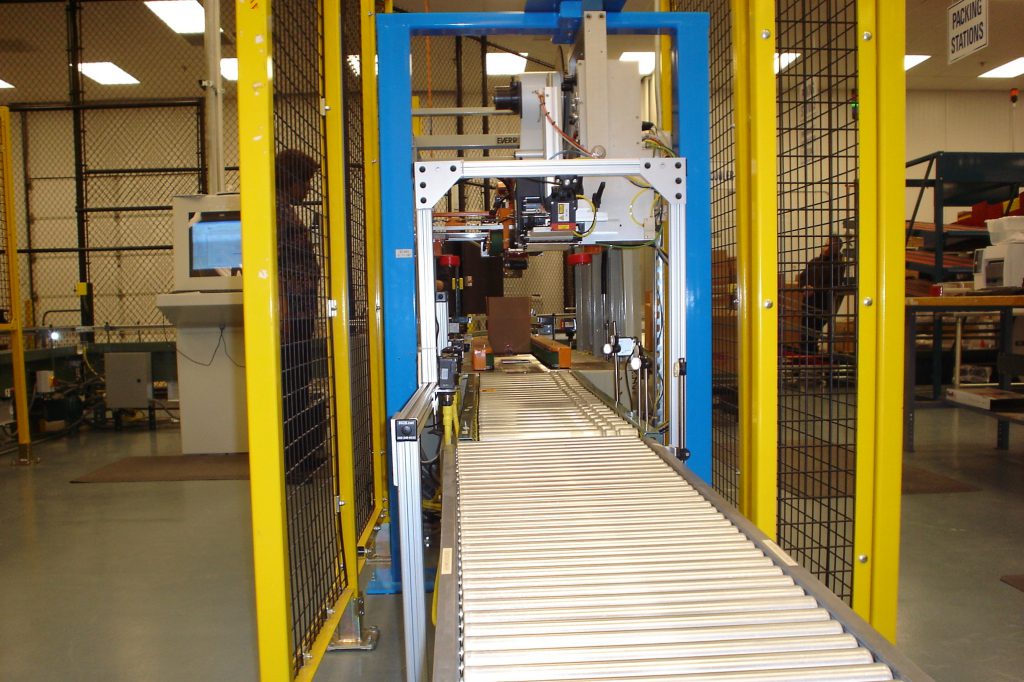
Accredo Health Solutions required a turnkey order consolidation, case packaging, and conveying system with case closure, labeling, and verification. Each case needed to receive a pre-printed serialized license plate along with a separate customer shipping label.

GCI Solution

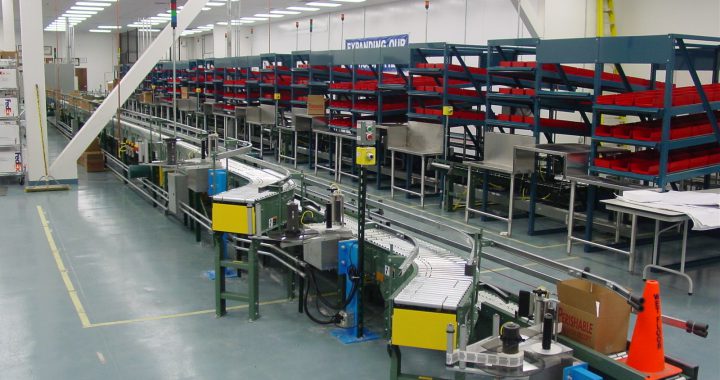
GCI worked closely with the Accredo corporate engineering group to develop a materials handling solution designed with physical space constraints for both infeed components as well as out feed full cases. This system incorporated:

  • Driven roller conveyor
  • O-ring pop-up transfers
  • Belt conveyor sections
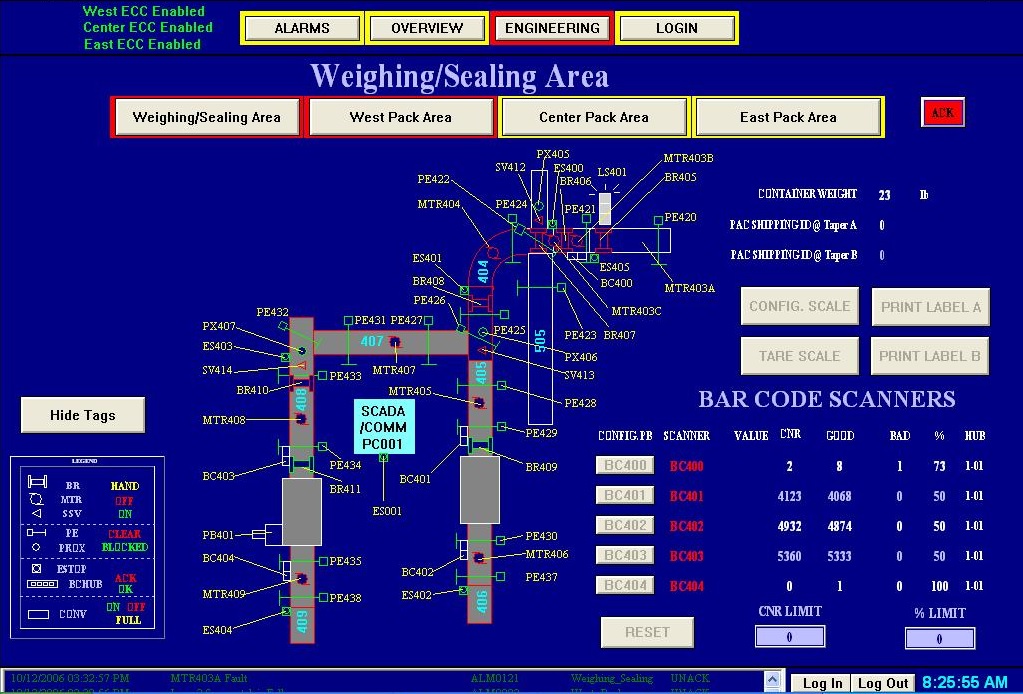
  • In-line check weighing
  • APAL station(s) with Sato Thermal Transfer Engine
  • Unattended barcode scanning
  • Automated box taping

Five hundred feet of conveyor, along with two automatic case sealers, a checkweigher, and ten packing stations were fit into an area of 3600 square feet, with no overlapping lanes.  GCI authored and executed a full quality plan including Installation Qualification (IQ), Operational Qualification (OQ) and Performance Qualification (PQ) test protocol.

Accredo APAL

APAL Station with Box Sealer

The System was outfitted with an Allen Bradley  ControlLogix PLC for conveyor control and an Invensys Wonderware SCADA node for HMI, manual control, annunciation and recovery. The print engine, ERP interface and execution system for label printing and order weight verification were designed and implemented as background services on the same platform.

As a result of these improvements, shipping capacity was increased from 3000 units per day to 10000 units per day.


Adhesive Batching

Customer:

Permacel Division of Nitto Denko

Location:

Pleasant Prairie, WI

Project Summary

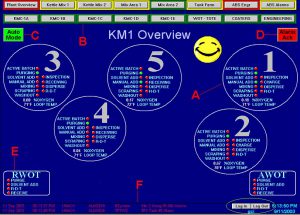
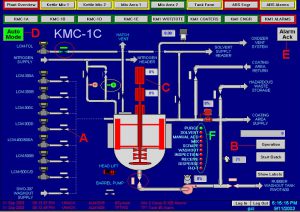
KM1 Kettle Screen

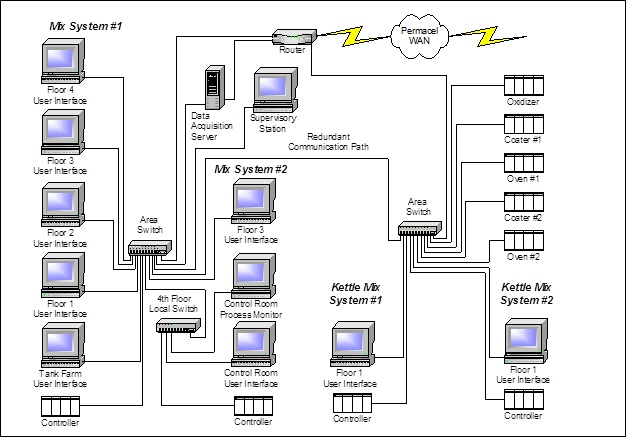
  • Development of S88.1 compliant batch control system for adhesive film manufacturing site with four major process cells distributed through several mix buildings.
  • (4) Rockwell ControlLogix processors with ControlNet to Intrinsically Safe ControlNet via fiber optic communication.
  • 2000 I/O points provide control for total of 22 processing units with shared tank farm and utility resources.
  • System uses Wonderware HMI front end on (11) workstations with custom phase control engine developed for ControlLogix sub-system.
  • Provided intrinsically safe electrical design for all areas in facility, which are NFPA Class I, Division 1 and 2 rated.
  • Designed and implemented information store and web based reporting system using Wonderware Historian and Information Server products.

Nitto Architecture

System Architecture

Batch Processing

Batch Processing

Compounding Application

Customer:       Coty US LLC

Location:         Sanford, NC

Project Summary

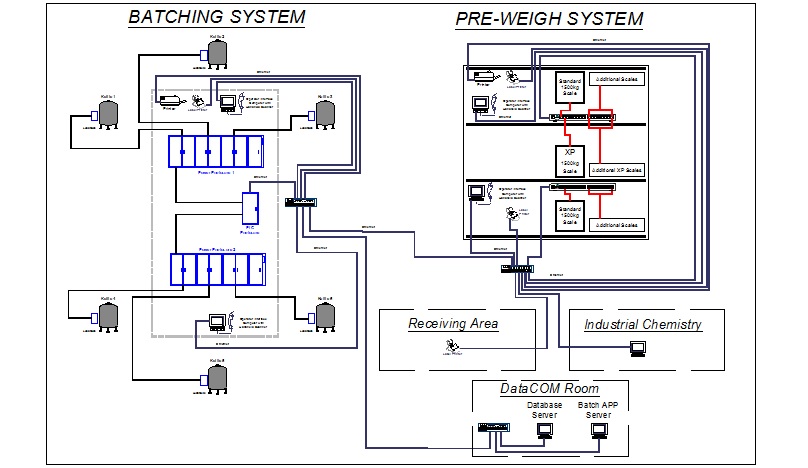
Batching Control System Architecture

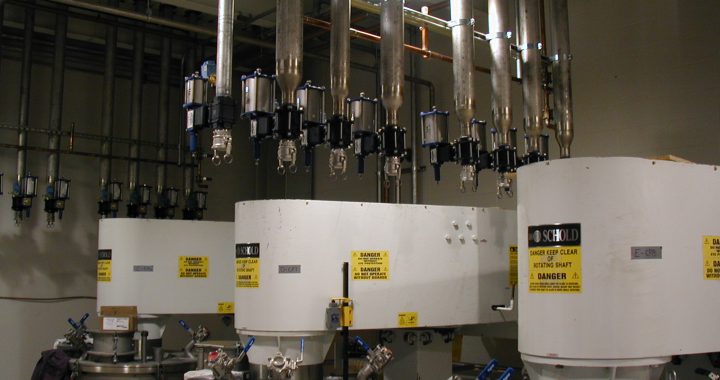
Cosmetic Creams Batch Processing

  • Development and implementation of a complete 6 unit compounding system.
  • ISA S88 compliant, batch server based recipe management and supervisory control with Rockwell HMI layer and A-B ControlLogix control sub-system.
  • Integrated with existing McHugh DM Plus warehouse management system and Oracle Apps ERP system.
  • Complete functionality from raw materials receiving thru industrial chemistry to compounding and finished goods inventory.
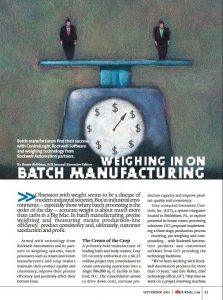
  • System featured in quarterly edition of Rockwell Software’s Software Connections magazine and presented at RS-TechEd 
 GCI-AB-Journal-Article


Robotic Palletizing

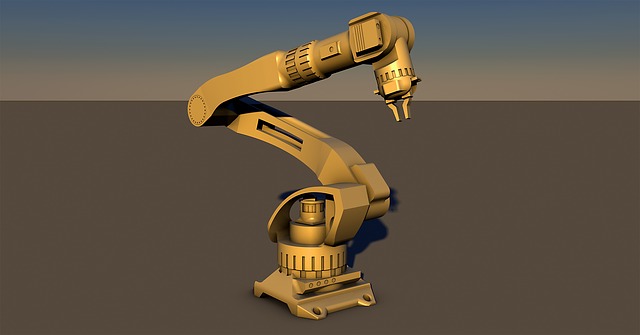
Robotic Palletizer

Material Handling Solution

Customer: Just Born
Location: Bethlehem, PA

Project Summary

GCI Robotic Palletizing Application

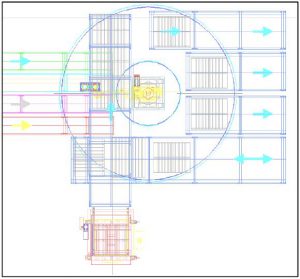
Palletizer Envelope

  • Designed and implemented complete material handling system for hard candies finished case delivery and palletizing system.
  • System includes Hytrol zoned controlled roller conveyor, belt conveyor, pallet conveyor and pallet dispensing system.
  • Complete mechanical, electrical, and software design for entire system.
  • (2) Fanuc Model 410iB rev 3 SCARA robots with Pallet Tools, Pallet Pro, and Unigripper end tools for multiple pallet patterns across multiple product lanes, delivered to multiple pallet conveyor lanes.
  • Custom designed slip and tier sheet separation systems for robust singulation.
  • New Allen Bradley CompactLogix PLC and I/O system for new conveyor, VDF, and robot I/O control. Modified existing SLC-5/05 based control system electrical design and program to accommodate new conveyor sections.
  • Wonderware In-touch application for two new workstations.
  • Supervised subcontracted construction of structural supports and catwalk for mezzanine mounted conveyor sections.
  • Supervised electrical subcontractor for all conduits and electrical wiring for new system.